By Greta Francesca Iori
“Legacy” is often imagined as something carved in stone—unchanging, solid, a mark of permanence left behind in the world. We are taught to seek eternalness through monuments, names inscribed on plaques, books written, traditions, rituals. But in truth, nothing in the living world survives by staying the same. Forests burn and regenerate. Rivers carve new paths after floods, changing the very course of their journey. Species evolve or vanish, making space for others. The Earth has always whispered a reminder, that legacy is not rigidity, legacy is transformation, legacy is conscious shapeshifting.
When I think of legacy through the lens of ecology, it becomes clear that its weight has been misunderstood. To pass on something of value is not to fossilise it, but to let it breathe, expand, and adapt to the context of the present, of the future. A seed does not replicate or and recreate its parent tree perfectly. It grows into its own form, shaped by unique soil, water, and sun, each of its branches growing and leaning differently, a testament to the magic of genetic diversity. In this way, every living thing teaches us that continuity does not come from conformity, but from embodying a pattern that can adjust and remain relevant in an ever-changing world. To acknowledge where we come from, but step fully into our own becoming daringly.
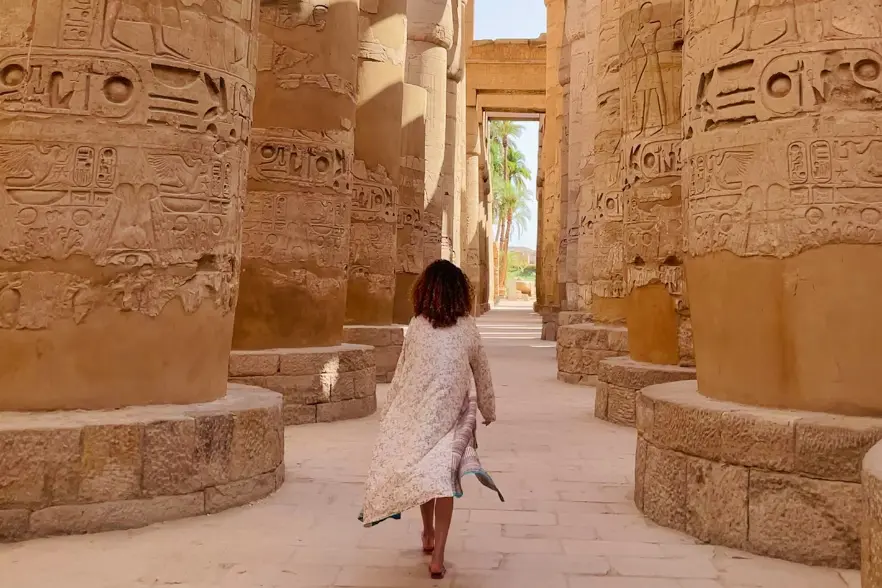
Our cultures have often been seduced by durability. Dynasties built pyramids, empires erected castles and statues, nations drew borders and inscribed laws. Yet history shows us that what is rigid eventually cracks. What is too heavy to bend, often breaks. Even the grandest monuments crumble, while the more subtle legacies—the songs, the values, the stories carried and adapted from one generation to the next—flow with the currents of time, often changed by the storyteller, reshaping themselves in each retelling.
In this moment of accelerating change—climate disruption, polarisation, artificial intelligence, wars, shifting geopolitical landscapes and power dynamics in every corner of the world, the question of legacy feels especially urgent.
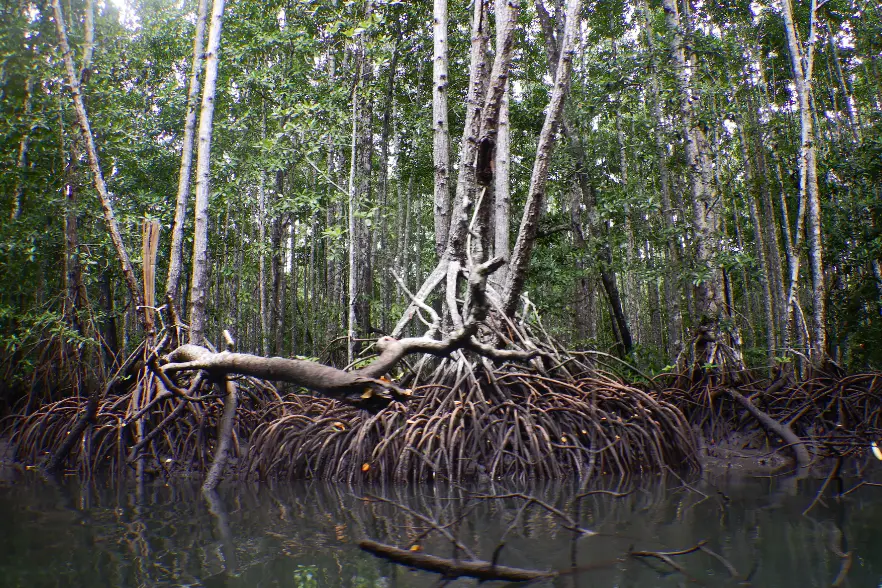
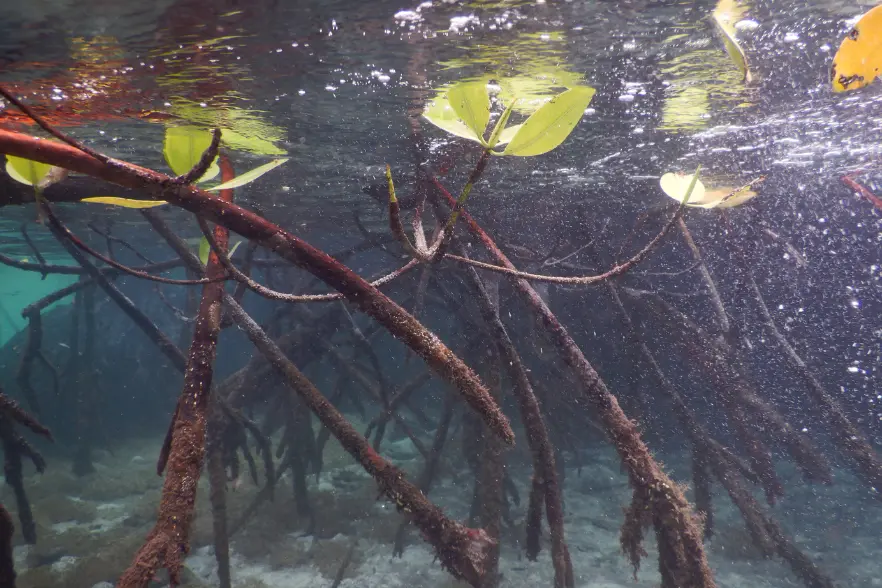
The natural world has always reminded me that the most enduring legacies are rarely individual. They are always systemic. Mangroves teach us that the most enduring legacies are always interwoven. When the greatest storms come, it is never the strength of a single mangrove stalk that matters, but the resilience of the entanglement of the many roots and trees resisting collectively, creating a wall of strength against the unforgiving winds, waves, and tides. These interconnected beings — cradling nurseries of existence, sediment and shelters for the small and vulnerable guardians of the coast — prove time and a time again, that legacy, then, is not measured by the might of the individual, but by the thriving of the living tapestry it helps sustain.
Perhaps we need to free ourselves from the weight of legacy as personal immortality. Legacy is not about being remembered. It is about what is remembered through us. The knowledge and wisdom we carry is futile if not communal. It is less the statue, and more the soil—the way we enrich the ground for others to grow. Legacy is not a fixed inheritance but a dialogue between what has been and what is emerging. To honour a lineage is not to replicate it exactly, but to embody its essence while allowing it to evolve, to widen the circle of familiarity, perspectives and lived experiences.
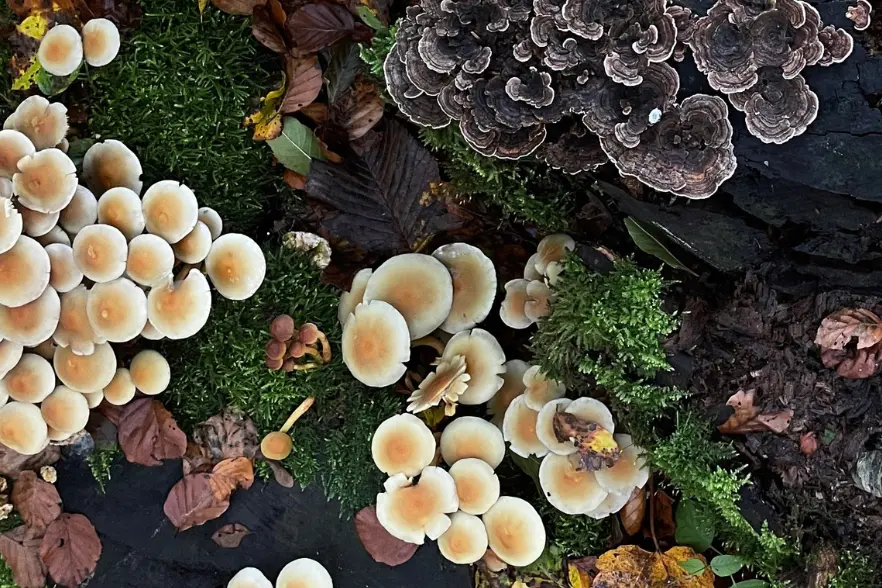
Mother Earth lives by this truth. The mycelium beneath our feet, invisible but ever present, does not pass on instructions to fungi through tyranny. It offers a network of exchange, where nutrients and information endlessly flow, without judgement, accepting the many layers and truths in how it experiences itself.
Legacy should not be a burden, but the very portal for liberation. We do not need to carry the weight of ensuring we are immortalised. We are invited instead to contribute to a flow larger than ourselves; to marinate in the collective.
Can we loosen the grip on permanence, so we reimagine a future shaped by those who come after us?
To live with this awareness is to step lightly but meaningfully. Can our impact not be measured by what remains or endures unchanged, but by the unseen seeds we scatter, the unknown narratives we are willing to listen to, and engage with. A fertile ground from which futures we cannot yet imagine may take root.
And perhaps, that is the most radical legacy of all.