By Harriet James
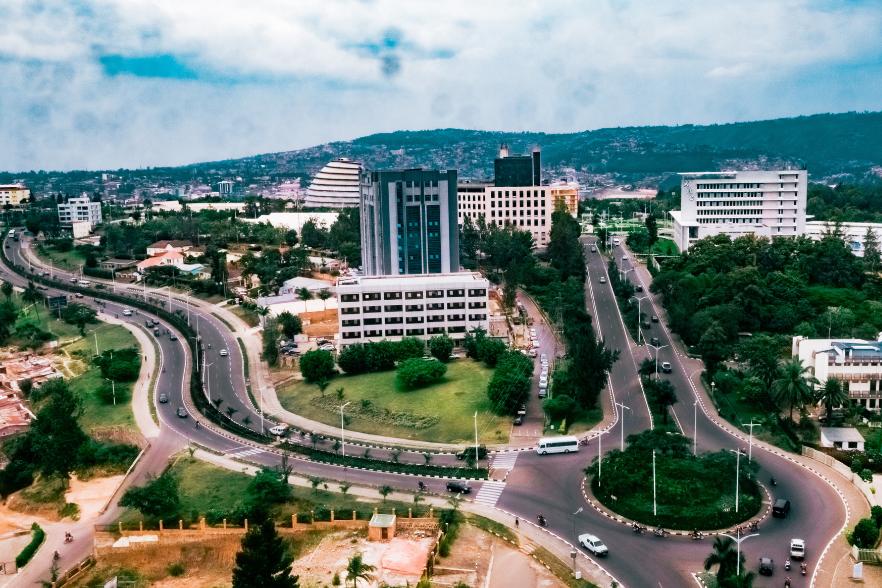
On the rolling hills of Kigali, Rwanda’s capital hums with a quiet strength. Here, legacy is not just a word but it’s lived. It’s in the footsteps of those who came before, in the hands of today’s cultural and conservation guardians, and in the promise carefully being shaped for generations yet to come. Kigali is a city where memory of unimaginable loss coexists with vibrant cultural revivals and a forward-looking vision of sustainability and conservation.
The story begins with remembrance. The Kigali Genocide Memorial at Gisozi is not simply a museum but a resting place for over 250,000 victims of the 1994 genocide and a place where history is held tenderly and honestly. Its walls, gardens, and exhibits bear witness to a national wound, reminding visitors and locals alike that forgetting would dishonor the lives lost and risk repeating the past. Memory here is a moral compass: a guide for reconciliation, unity, and a commitment to peace. For international tourists who visit the museum, it’s a lesson to safeguard their nation’s peace and not to take it for granted.
About 30 km from Kigali is Ntarama Genocide Memorial, a former Catholic church preserved. After the genocide, the church was left with victims’ clothing and personal effects still on display. Nyamata Genocide memorial is another church site where thousands sought refuge but were killed. It holds haunting reminders like clothing, identity cards and weapons used. At camp Kigali Memorial or Belgian peace keepers Memorial, 10 Belgian UN peace keepers killed in April 1994 at the start of genocide ae honored. Another memorial is Rebero Genocide memorial which honors politicians who opposed the genocide but were killed for standing against it.
Yet, as Kigali steps confidently toward tomorrow, the balancing act remains delicate. The city has managed to preserve memory without turning trauma into spectacle, grow tourism without eroding dignity, and expand conservation without displacing communities. Climate change, economic pressures, and land use conflicts are ongoing tests of that balance. From that painful history, Kigali has grown a fierce determination to celebrate culture and creativity. Across the city, traditional drumming mingles with contemporary art installations. Spaces like the Rwanda Art Museum and Kandt House Museum chart the country’s artistic and natural heritage, offering platforms where the past meets modern expression. New initiatives such as the Kigali Cultural Village on Rebero Hill promise to become hubs for performance, craft, eco-tourism, and innovation-bridging tradition and opportunity. Festivals, fashion collectives, and craft cooperatives are weaving a tapestry that is distinctly Rwandan yet globally resonant.
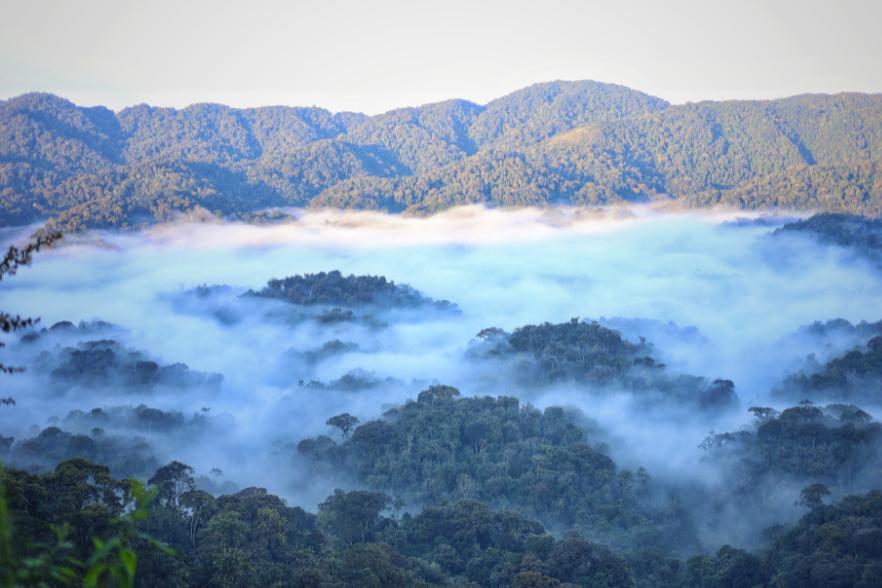
This cultural resurgence is inseparable from Kigali’s environmental rebirth. The city has also emerged as a leader in urban sustainability, transforming its green spaces into symbols of resilience. Nyandungu Urban Eco-Tourism Park, once a degraded wetland, has been restored into a 121-hectare haven of biodiversity, medicinal gardens, and walking paths. Families picnic under young trees, cyclists glide along new lanes, and school groups learn about conservation among birdsong and reeds. Meanwhile, Umusambi Village offers sanctuary to rescued grey crowned cranes, once trafficked as pets, now free to roam wetlands that double as a public education center on wildlife protection.
Such spaces show Kigali’s understanding that conservation is not only about protecting wildlife but also about nurturing the soul of a city. Environmental NGOs like RECO bring communities together through heritage walks, ecological gardening, and cultural events, proving that safeguarding biodiversity and sustaining cultural identity go hand in hand.
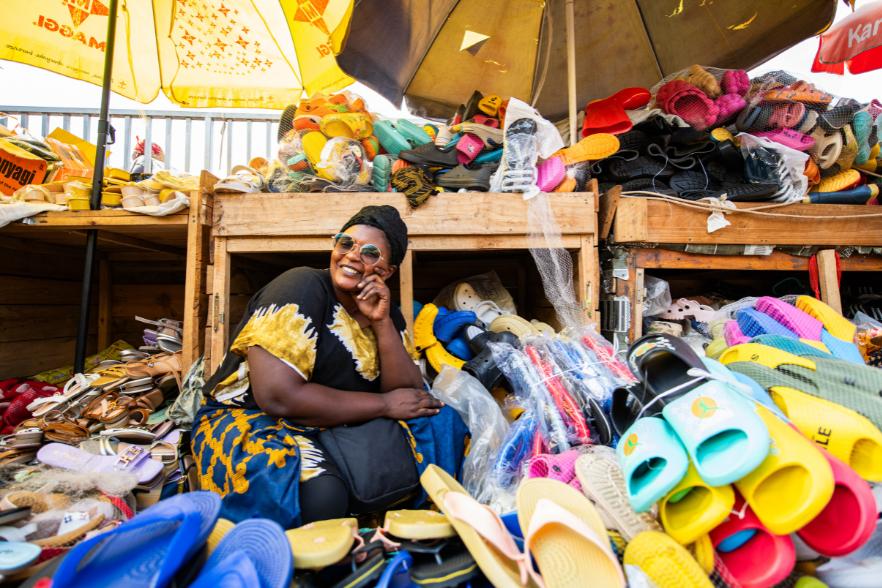
The city’s streets themselves speak of a sustainable future. The Imbuga City Walk, a pedestrian-friendly transformation of the former Car-Free Zone, offers tree-lined promenades, performance spaces, and bike paths. It is a small but powerful statement: the future Kigali envisions is people-centered, environmentally conscious, and culturally vibrant.
Let Rwanda inspire your next adventure: wildlife, culture, and beauty beyond imagination. Contact us to explore the possibilities