By Georgia Mugisha
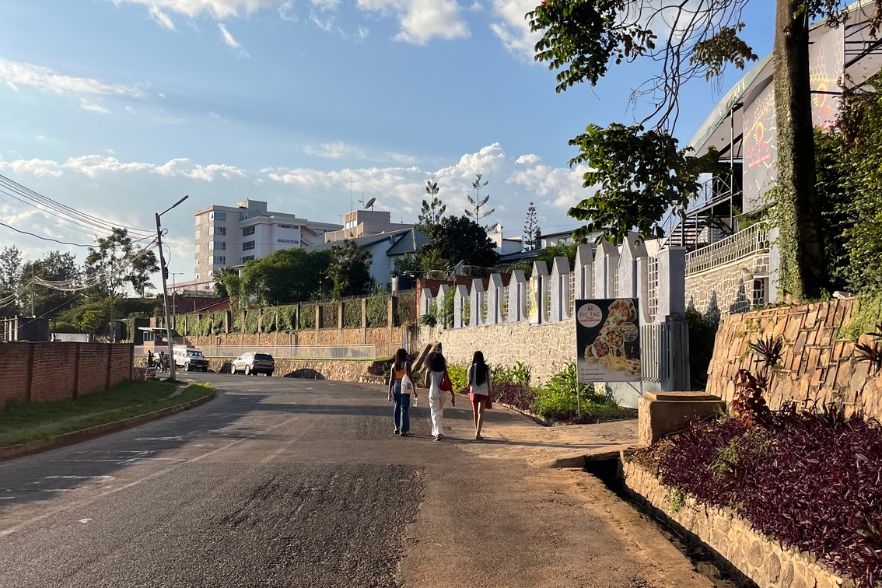
I was born and raised in Kigali in 2004. My early memories are not shaped by urgency, but by easy rhythms, beginning with slow mornings and ending with relaxed evenings. I have had the unique experience of seeing my country and city flourish at an unprecedented rate right before my eyes. Economic growth and the abundant creativity of Rwandans have attracted international attention to our small country, and rightfully so. What I love about Rwanda, however, is the ease of my days there and a steady flow that is rarely found elsewhere.
If you’re searching for a grounding travel experience that adapts to the kind of traveller you are, Rwanda is unusually forthcoming. Kigali is both active and quiet. It really depends on which Kigalian you ask. What you will not find is the relentless, fast-paced grind of a megacity. In Kigali, I like to move by motorbike taxis, or “motos,” as they are locally called. Yes, the nerves are normal, but it looks far scarier than it is. Helmets are mandatory for both passenger and rider, and speed limits are taken seriously, making this a safe and affordable way to get around. Despite being a common feature of life in the city, it brings me into full alertness, and even short journeys to a friend’s house are eventful.
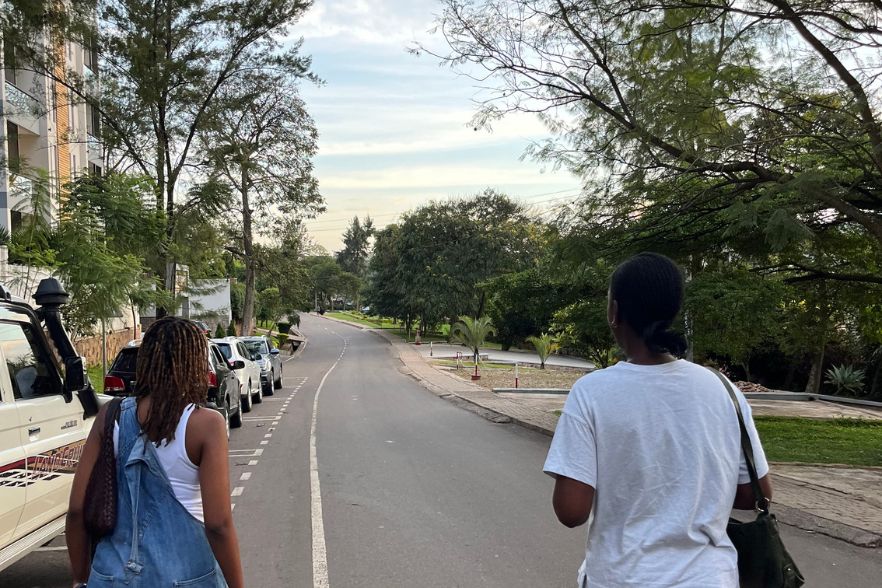
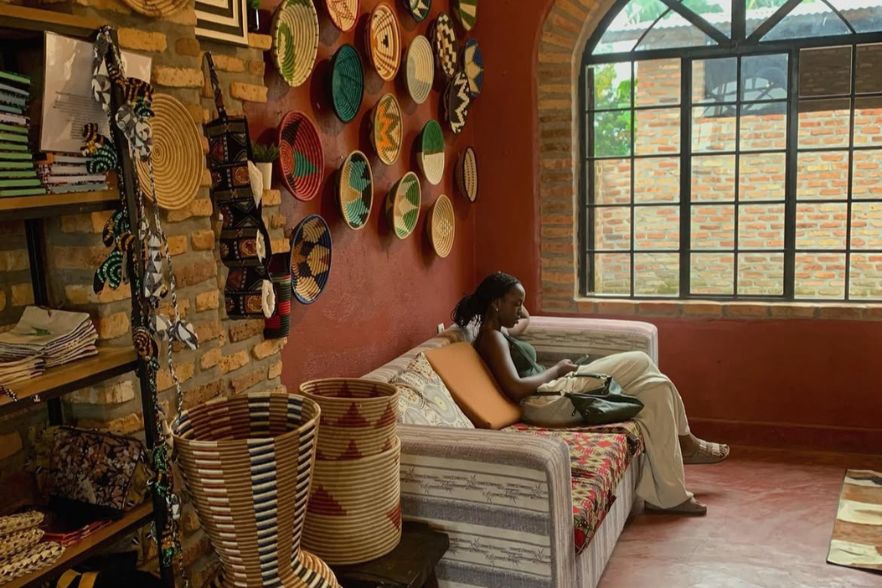
I spend much of my time at cafés. Indabo Café, in Kimihurura or Kiyovu, with Kiyovu being my preference, is one of these. Trees and greenery fill the space, which is reflected across the city as well. Just through the gate, there is an open studio by local artist David Mugire, where I often stop for art and conversation. Beyond cafés, much of life in Kigali unfolds in the spaces between plans. Meals always stretch longer than expected; I don’t think I’ve ever actually placed a reservation at a restaurant. Importance is placed on conversation: a casual exchange will extend without effort, and a little longer than planned. What you will notice is that people are rarely in a rush, and that lack of urgency requires you to adjust to it, rather than it to you. Rwandans move from language to language (Kinyarwanda, English, French, and more) in a melodious way that is often interesting to listen in on as a visitor. There is a calm demeanour and warmth to the way people engage, even when language barriers exist.
I have had friends from around the world visit me in Rwanda. One of the first things they always notice in our first days around the city are the eyes that seem to follow them. The stares you may notice are not hostile. They come from curiosity and do not carry any weight of disrespect in our society. Silence, too, does not translate as discomfort, but rather as thoughtfulness. When someone decides to speak, it means there is something worth saying.
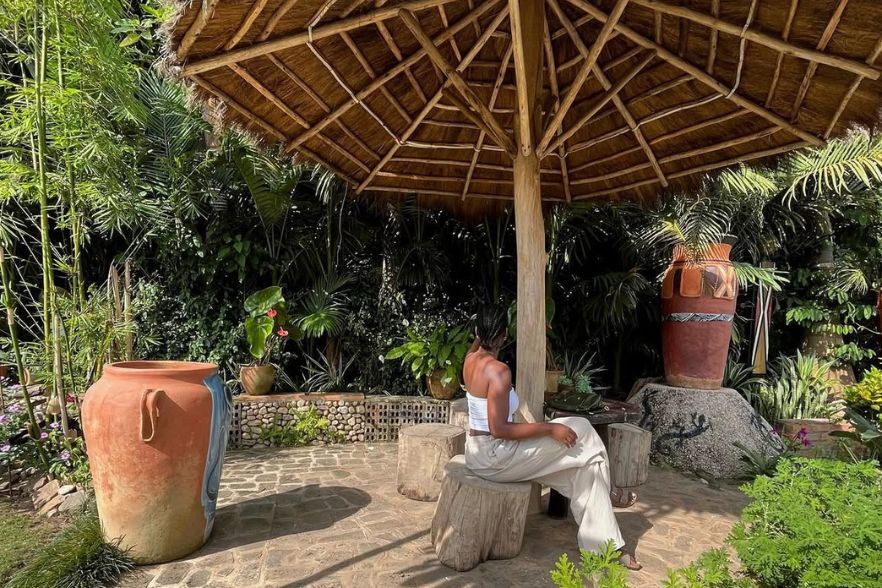
I have always found it grounding to get out of the city once in a while. Fishing communities and lake life surrounding Kivu and Muhazi are a breath of fresh air, with serene natural beauty throughout. The same can be said about Nyungwe’s forests and Musanze’s volcanoes. Any honest experience of the country must also make room for its history to understand the resilience foundational to Rwanda. A visit to the Kigali Memorial of the 1994 Genocide Against the Tutsi is necessary and sobering. In continuity, in care for shared spaces, and in the discipline of showing up for one another, daily life is not defined by tragedy.
From a young local Rwandan,
Murakaze neza. You are welcome.