By Gabriel Le Roux
On the northeast coast of Zanzibar, a short walk from the Indian Ocean, a kitchen is doing something quietly radical.
At Pongwe Beach Hotel, Executive Chef Gabriel Le Roux has spent the past year building a supply network so close to the property that most of it could be reached on foot. The result is a dining experience that is reshaping what “locally sourced” means on an island that has long imported more than it grows.
Gabriel calls it hyperlocal sourcing. The concept is straightforward: the majority of ingredients are grown, raised, or produced either by the hotel itself or by producers in the immediate area of Pongwe, Kiwengwa, and Uroa. It is not a marketing phrase. It is a philosophy with names and faces attached to it.
One of those faces belongs to Laici. He is the man responsible for Pongwe’s expanding programme of fermented and pickled ingredients, a discipline that has moved from the fringes of fine dining to the centre of global culinary conversation in 2026. Laici produces pickled sardines and mackerel, Zanzibar-style sauerkraut, sous vide octopus, pickled Roma tomatoes, smoked sausages, smoked fish, oysters, and sea urchin. He also creates dehydrated and powdered fruits and vegetables used across the kitchen and the bar, including the beetroot salt that rims a cocktail glass for a Beetroot Margarita or Bloody Mary. Gabriel describes him simply: he is the person you want beside you if you are stranded somewhere. He can turn almost anything into something worth eating.
Pieter, operating under the name Pambazuka, focuses on hydroponic micro herbs and salad leaves, and is expanding into mushroom cultivation in collaboration with a South African microbiologist working on optimal growth conditions and flavour development. It is the kind of precision agriculture that rarely exists this close to a boutique beach property.
Emmy at Machui Dairy runs a local farm producing from both cow and goat milk. The range is considerable: butter, paneer, sour cream, yoghurt, ricotta, mozzarella, cream cheese, haloumi, and kefir. In a region where imported dairy is the default, this matters.
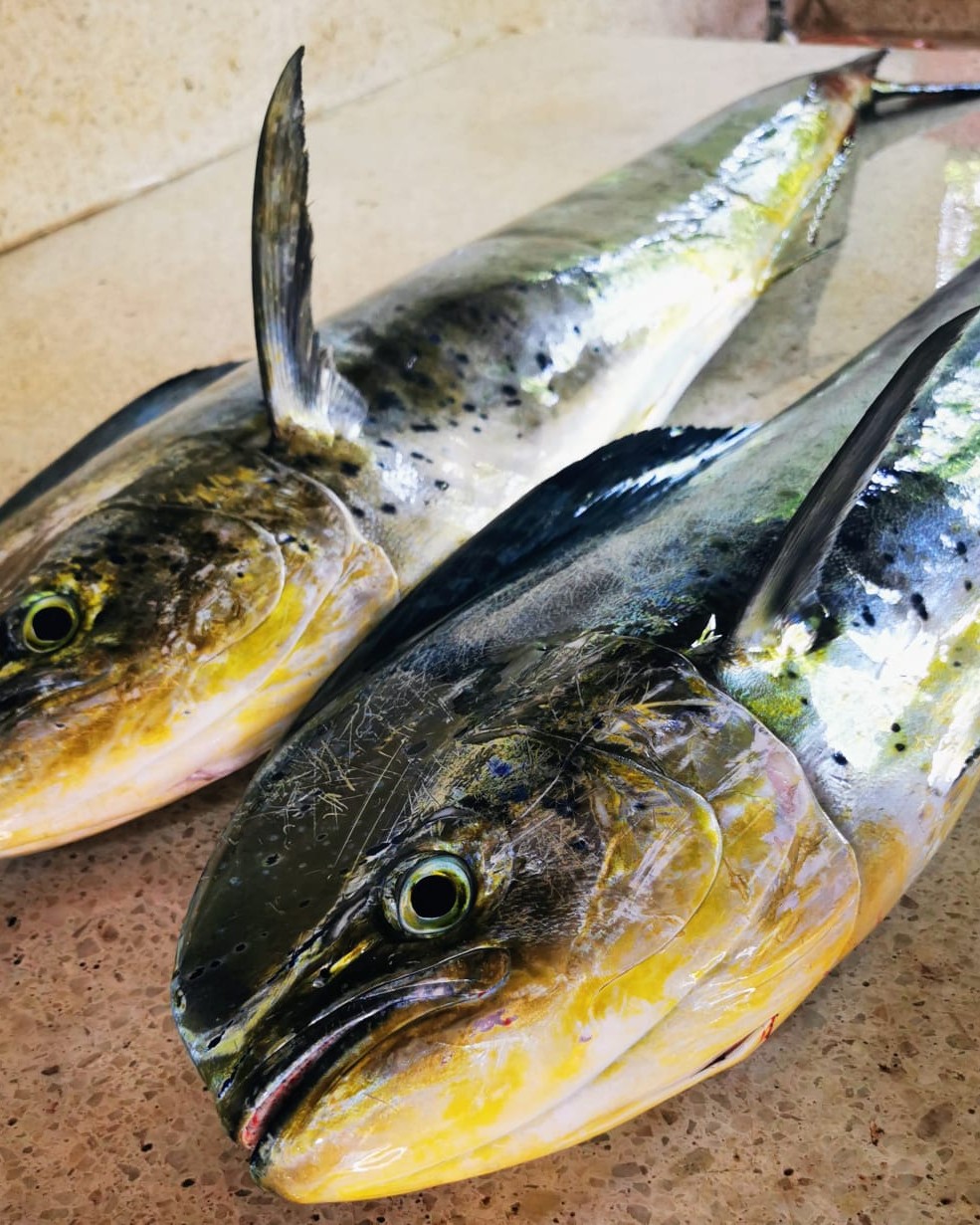
Ali is a local fisherman from the Pongwe area supplying the kitchen with octopus, fresh catch, and seasonal Zanzibar mussels and sea urchin.
Mussa coordinates fruit and vegetable supply from various farmers across the same stretch of coastline. Goat meat comes directly from the local Pongwe community.
What Gabriel has assembled is less a supply chain than a neighbourhood. Every producer is known by name. Every ingredient has a point of origin within a few kilometres of the dining room.
The timing of this deepened commitment is deliberate. Fermentation and pickling have emerged as the defining culinary techniques of 2026, and Gabriel has been building toward this moment for some time. Preserved and cultured ingredients add complexity and depth that fresh-only kitchens cannot achieve. They also extend the life of hyper-seasonal produce in a climate where abundance and scarcity can shift quickly.
Pongwe Beach Hotel reopens on 1 June 2026 following a period of renovation. The menus that greet returning and first-time guests will reflect this sourcing philosophy throughout, from the breakfast floating service to the evening dinner menu, where fermented and pickled elements now appear as a matter of course rather than as occasional flourishes.
Guests reviewing the hotel have long singled out the food as a standout of their stays, with multiple reviews describing meals as among the best of entire trips through Tanzania and Zanzibar. What those guests may not have known is how close to the table their food began.
That is, increasingly, the point.