Building Resilience in Namunyak Conservancy
By Alex Johnson
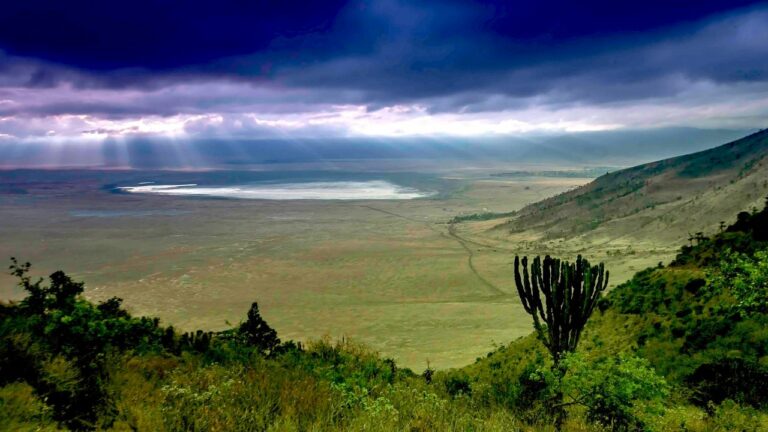
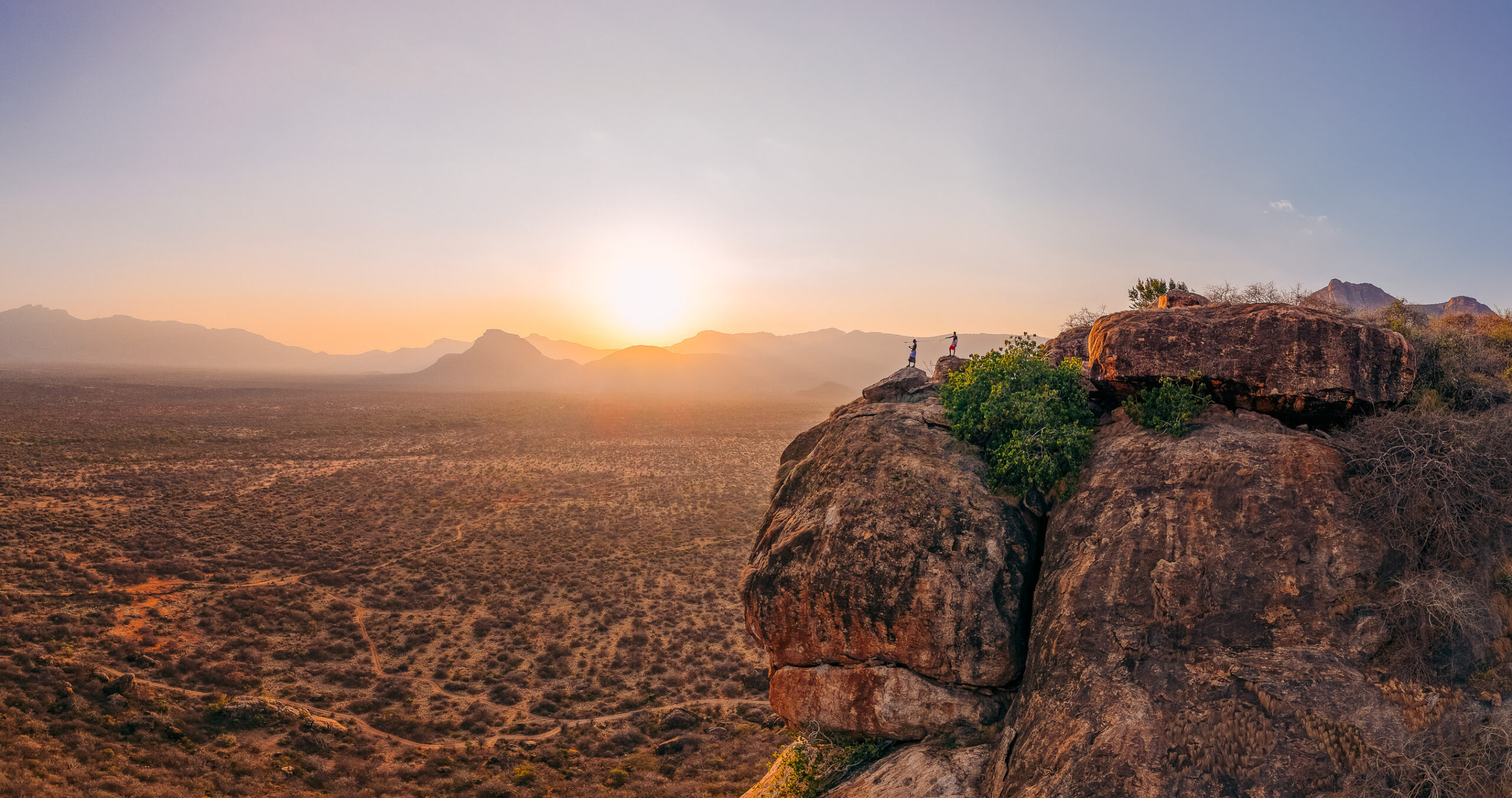
Look out the window of a plane flying low over Northern Kenya and you’ll see land shaped by humans and wildlife, rainfall and drought.
“Seventy percent [of the land] is highly degraded,” says Titus Letaapo, Director of Community for the foundation that manages the Namunyak Conservancy in Samburu County. “There are a lot of gulleys. The soil is hard. It’s bare. It doesn’t have any vegetation cover. Even if it rains, grasses don’t grow. The runoff is very high. The topsoil disappears.”
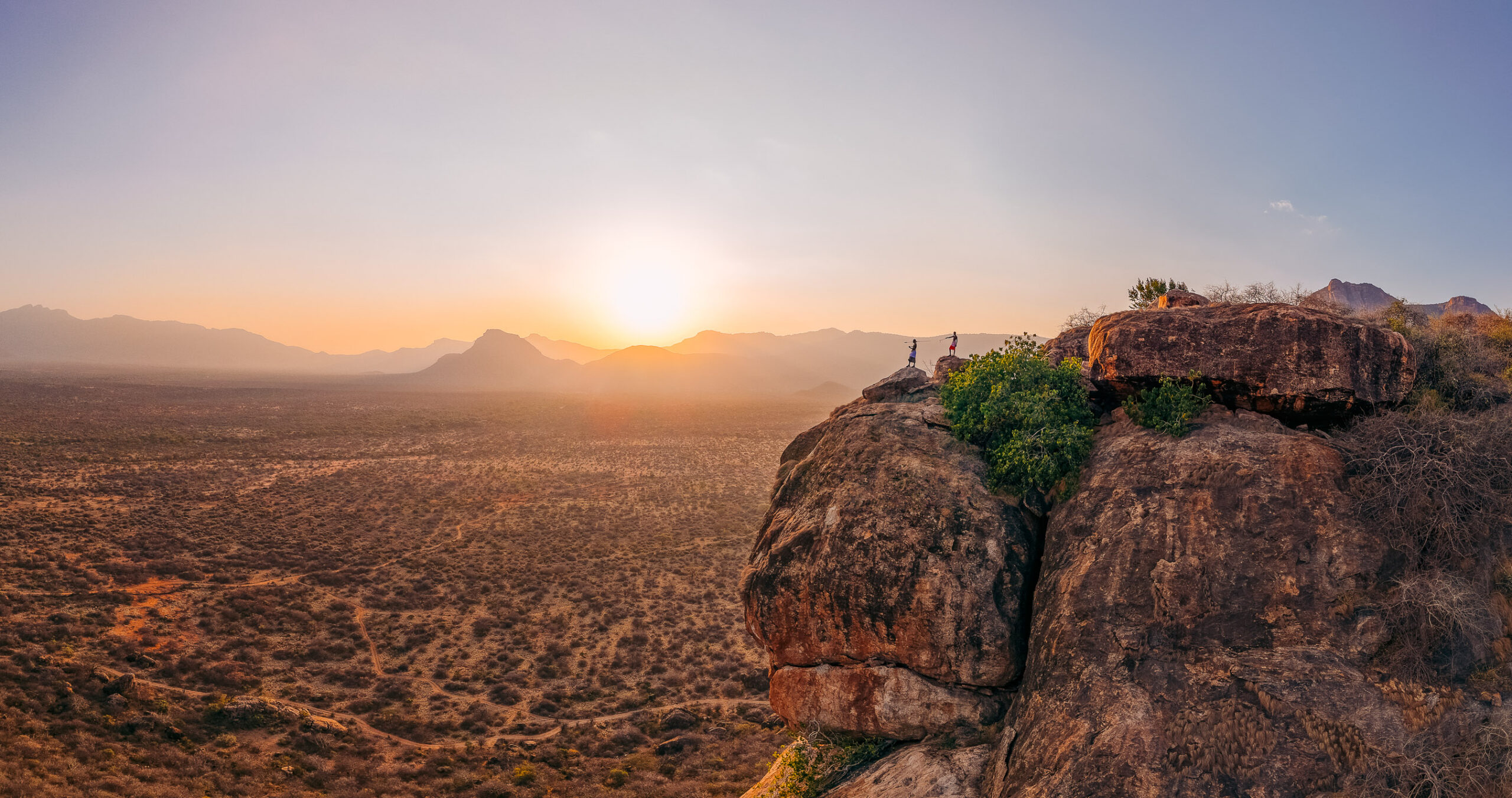
But the Namunyak Conservancy is defying this trend. To understand why, one must first understand the weather. Ask a child in New Zealand or Russia or Uruguay about the seasons and they’ll tell you about fall and spring, winter and summer. They may even tell you that the change in seasons depends on the length of the day, which in turn depends on Earth’s 23-degree tilt.
In Kenya, which straddles the equator, day length hardly varies at all. What does vary is the angle at which sunlight strikes the earth. At the equinoxes of March and September, the sun passes directly overhead. This concentrates more solar energy on the earth, which in turn causes moist air to rise, cool, and condense into rain. This is why the equinoxes typically mark the beginning of Kenya’s rainy seasons.
The operative word – “typical” – is is becoming less reliable. While day length and sun angle remain consistent over millennia, climatic variation is increasing. The rainy season that just finished, for example, wasn’t very wet at all. Rain was late to arrive, and significantly lighter than usual. According to the World Health Organization, this recent dry period puts over two million Kenyans at risk of food insecurity.
At Namunyak Conservancy, where Titus Letaapo works, rainfall hasn’t been as scarce as elsewhere in Kenya. Even so, many of the Samburu pastoralists who call the conservancy home have already moved north and east in search of grass for their cattle.
But the community is not simply passive or reactive, wishing for rain and trying to respond when it doesn’t arrive. They prepare for periods of drought and make the most of the rain that falls. They block the outlets of rain-scarred gulleys so the gulleys will refill with sand and soil when the rains return. They dig semicircular bunds and seed them with indigenous grasses to make the most of the small amount of rainfall they receive. And before the rain falls, the conservancy works with families to make plans for where they will graze, and when. This helps the community maintain their semi-pastoralist lifestyle; it also benefits the wildlife with whom they share the conservancy. Namunyak is now home to one of Kenya’s largest populations of elephants, plus Grévy’s zebra, wild dogs, and De Brazza’s colobus monkeys.
These programmes are made possible by the structure with which the conservancy was originally created. According to Katie Rowe, who married into the family that founded the conservancy and is now part of its management, it all goes back to the area’s original inhabitants. “All of these beautiful enormous chunks of wilderness exist on community-owned land, [because of] the Samburu. They are conservationists – they know how to coexist alongside wildlife and share resources.” The conservancy is governed by a democratically elected board of trustees. Besides drought resistance and grazing management initiatives, the conservancy also runs programmes dedicated to education, healthcare, and small enterprise. All of it is based on the belief that if the natural world is to thrive, then people must thrive along with it.
When rain finally falls in Namunyak, the environment will respond. Rowe describes what it will look like. “It goes from a very dry desert landscape, and with a little bit of rain there’s this carpet of emerald green grass that pops up. Every single valley becomes a beautiful trickling river with crystal clear water. Wildflowers, bees, butterflies, insects – just an explosion of life that has all been living under the surface.”
Rain Landscape, by Thige Njuguna