Empowering communities is the key to truly regenerative travel
By Doreen Nyamweya
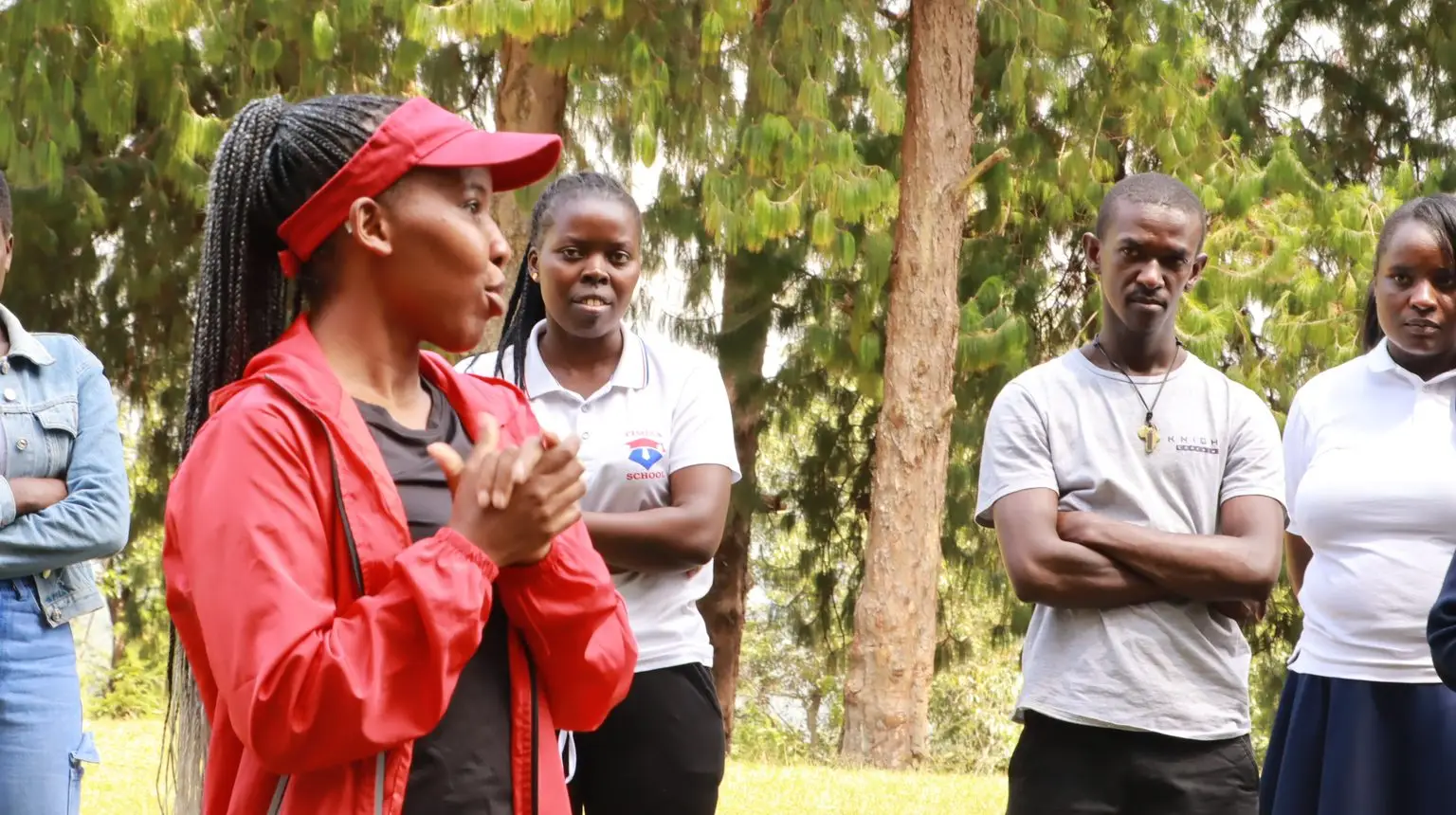
During one of my field visits to a community in Kenya, a member asked me a question that I struggled to answer: Why should they work to make their land more attractive to visitors, when tourism had never made anything better for them? The question has stayed with me, because it points to something the whole industry should confront.
Communities are the hosts, custodians, and storytellers of the places visitors come to experience. Yet the decisions that shape communities’ futures are often made far from the villages and forests where the impacts are felt. That’s why, if travel is to meaningfully give back to communities, we cannot rely on sustainability checklists alone – we must see a real shift in power. Communities must be empowered to set the terms of the tourism that happens on their doorstep.
Under what conditions can travel genuinely give back?
Increasingly, the industry is embracing the language of regenerative travel, which is an important step. To follow through on that language, we need to see tourism officials and travel operators who are ready to let communities set the terms of their development, decide their own conservation priorities, and manage their own resources. This kind of approach can deliver an important double win: we can heal ecosystems while empowering the very people and communities who have stewarded them for generations.
As travelers, we have an important role to play as well. We can think about arriving as learners, not consumers. We can listen more. We can ask before photographing, and we can recognize that our presence is a privilege, not an entitlement. The most meaningful exchanges happen when communities lead and visitors participate respectfully.
Under these conditions, travel is more than a transaction. It becomes what it was always meant to be: a living, reciprocal relationship between the visitor, the community, and the natural environment. Benefits are shared more equitably, culture and heritage are respected rather than performed, and restoration becomes a possibility.
This is the vision of travel we should all aim for. Because the future of tourism lies both in preserving what remains, and rebuilding what has already been lost.

Doreen Nyamweya is a Tourism Officer for Nyamira County, Kenya. She is also a travel writer focused on making tourism work for residents and visitors alike.