Exploring Africa’s contemporary creative capital
By Ebony Walden
I arrived in a black-and-yellow rickety taxi and step into the grandeur of the Ancien Palais de Justice, the former courthouse that serves as the main venue for the Dakar Biennale, one of the largest contemporary art festivals on the African continent. Within minutes, I was surrounded by artists, curators, and travelers from Barbados, the United Kingdom, Nigeria, Rwanda, South Africa, and the United States – all dressed in stylish garb, bold wax prints, and vibrant colors.

Ebony Walden
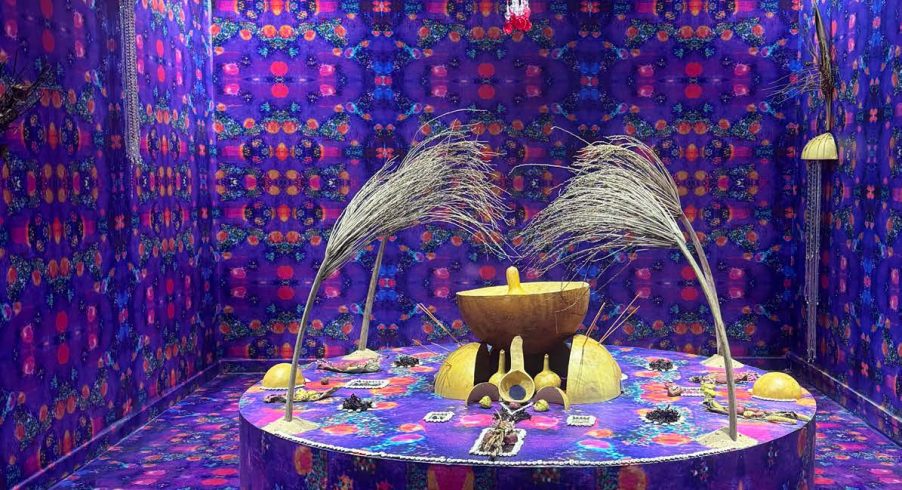
The work of more than 50 artists from across Africa and the diaspora was on display: paintings in vibrant blues, sculptures fashioned from welded iron, and entire rooms transformed into floor-to-ceiling mixed media installations. I had to visit three times during this month-long biennial extravaganza just to take it all in.
Two of the works stand out in my memory: colonial maps shredded and reconstructed into an act of resistance, Map-lective, by Jamaican-British artist Sonia Barrett. And Safa Saphela, by South African artist Siwa Mgoboza, a sculpture of a Black figure with hands raised, surrounded by whips, confronting police brutality.
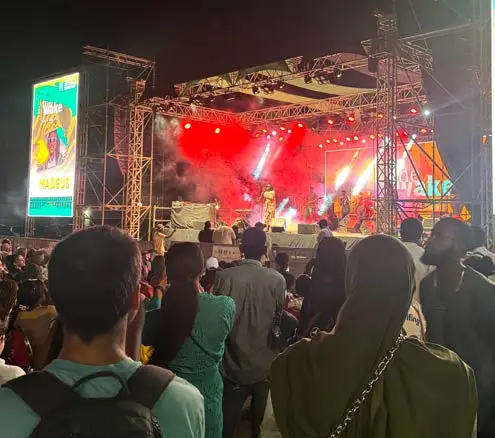
But the Biennale didn’t stay inside the Palais de Justice. The “Off” or community events were equally stunning. For the next month, concerts unfolded in front of the palace. Across Dakar, artists and visitors gathered around exhibits that wrestled with power, memory, and identity. Faces painted onto wood panels at Boma Hotel. A diasporic film screening at Loman Art. Nigerian artists displaying works that blurred the line between sculpture and landscape at the Village des Arts.
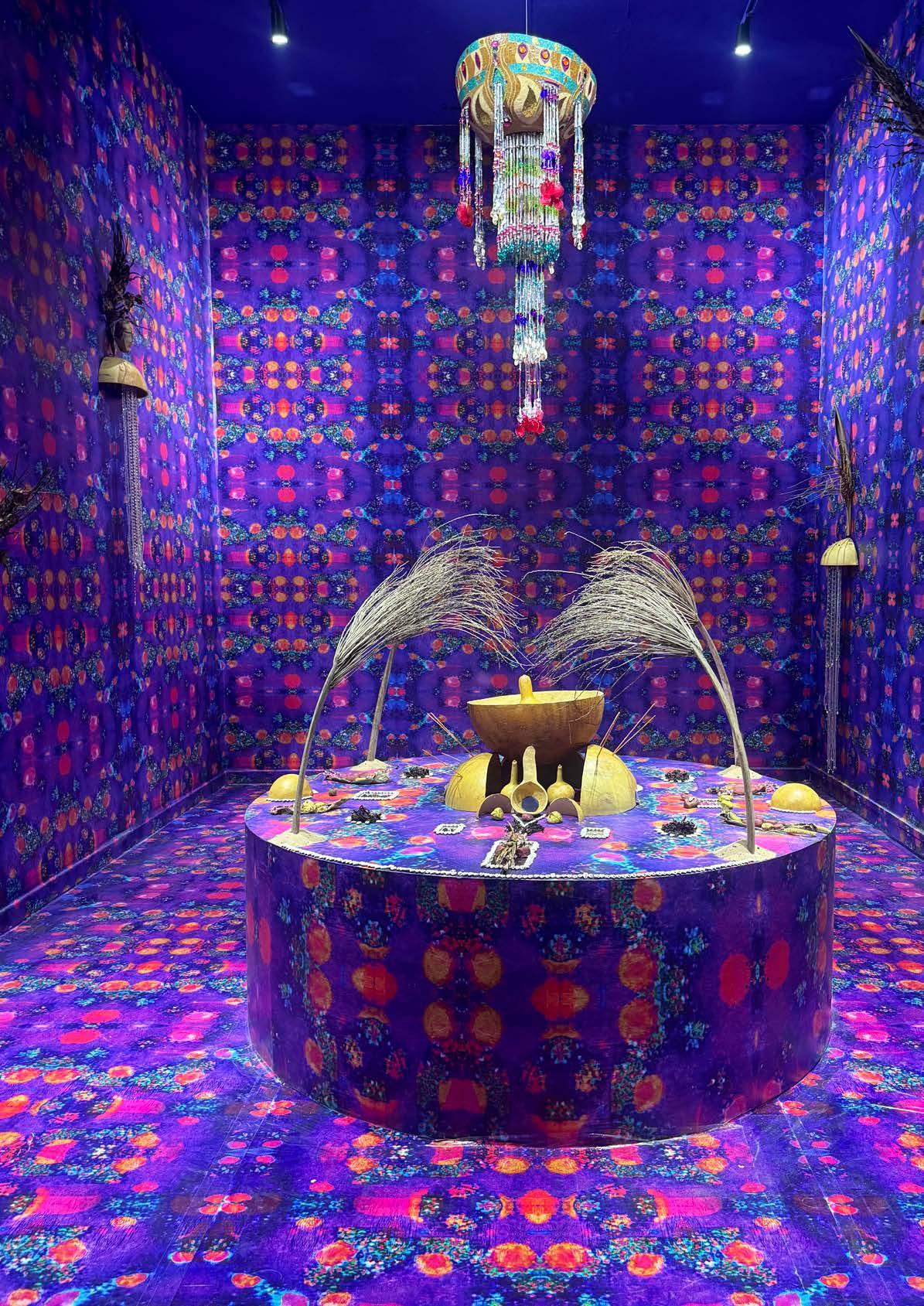
After a month of being baptised in this ocean of art in this coastal city, I realised that Dakar is a city where art, fashion, and culture are part of everyday life.
The Biennale may be the centerpiece, but creativity in Dakar extends far beyond gallery walls. In 2022, I first discovered the city’s thriving fashion scene just by walking down the street. I saw women in custom boubous, men in tailored neutral tunics – everyone sleek, colorful, and confident. At Sandaga Market, I selected fabrics, had a tailor-made jacket and high-waisted dress sewn and delivered for less than $50. 
In 2024, I attended fashion shows featuring designers Rama Diaw and Selly Raby Kane. Rama Diaw’s collection was rooted in African tradition, featuring wax prints, bold color, flared silhouettes, and cinched waists. Selly Raby Kane is the definition of Afro-futuristic, pushing boundaries that felt galactic: sheer and metallic fabrics, oversized jackets, and unexpected combinations of color and texture. The audience was just as stylish as the models. In Dakar, fashion is another form of cultural expression.
My 2025 visit was the crescendo. Dakar Fashion Week, Adama Paris’s yearly event, featured models gliding across an oceanside runway against a cloudy sky. Statuesque and regal, they moved from flowing neutrals to a bold rainbow of colors while riding on waves. The scene left me awestruck.
Taken together, the Biennale, the fashion shows, and the gallery openings revealed something larger. Dakar is not simply a destination known for its coastal vibes, its famous cuisine, or a history that touches the transatlantic slave trade and colonialism. It is a place where artists and makers are shaping contemporary African culture in public.
When I think about the unofficial fashion show that took place outside the Palais de Justice, the ebony models gliding along the Atlantic shoreline on white pirogues, and the custom-made jacket hanging in my closet, I am reminded that, in Dakar, art is both spectacle and woven into the life of the city.